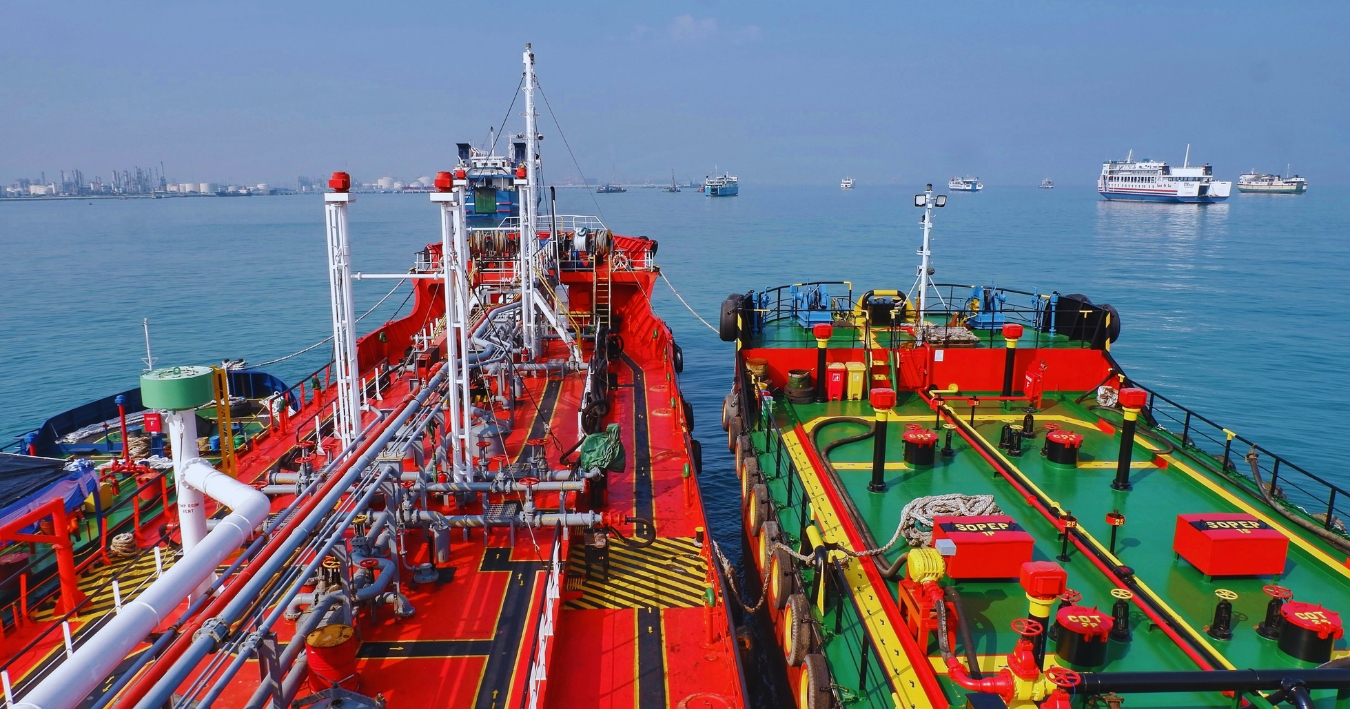
There is no good time for an oil spill, but there is a critical window for an effective response. When a vessel operator calls Sealion's emergency line following a leak, the clock that matters most is not the one counting hours since the spill — it's the one counting minutes until containment booms hit the water. This is the story of what that response actually looks like, drawn from a real emergency operation our teams managed in the Red Sea near Aqaba.
The First Two Hours
The initial call came in describing an active leak with visible surface spread threatening the coastal zone. Within the first two hours, Sealion's environmental response team had mobilized containment booms and skimmer equipment to the affected area, working to establish a containment perimeter before the slick could reach sensitive shoreline. Simultaneously, our commercial diving team was preparing to assess the underwater source of the leak — because containing the surface spread means nothing if the source itself isn't identified and controlled.
Identifying and Sealing the Source
Once the dive team confirmed the breach location on the hull, the operation shifted to underwater assessment and temporary sealing — stabilizing the leak while preparations were made for the structural repair work that would follow. This is where having an integrated team matters: the same organization running surface containment also has certified divers in the water working the root cause, with no handoff delay between contractors.
Regulatory Coordination Under Pressure
Throughout the operation, our team coordinated directly with the Aqaba Special Economic Zone Authority and relevant maritime regulators — managing the documentation, reporting, and compliance requirements that come with any pollution incident, in parallel with the physical response. This isn't a secondary task to handle after the spill is contained; regulatory non-compliance during an active incident creates its own serious consequences for the vessel operator.
What This Means for Vessel Operators
Emergency response capability is not something to evaluate after an incident — by then, it's too late to choose your responder. Vessel operators transiting the Red Sea and Gulf region benefit from knowing, in advance, which marine services providers maintain genuine 24/7 emergency mobilization capability, certified diving teams, and established regulatory relationships. That preparation is what turns a potential environmental disaster into a contained, managed, and resolved incident.
0 Replies to "Inside Sealion's Emergency Oil Spill Containment Operation in the Red Sea"
Leave a Reply
Your email address will not be published. Required fields are marked *